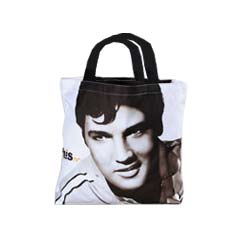
Reusable Tote Bags
When it comes to The Environment and Packaging, Reuse is the most critical factor in the equation.
Choose reusable bags. This is, without question, the most important thing you as a retailer can do to reduce the burden on our environment. When a customer reuses your bag, not only are you saving on actual material costs, but also on transport, fuel, energy and all other costs associated with the manufacture of packaging. And you get a marketing benefit as well – your name on the bag they carry all over. Your customers will appreciate your commitment to the environment AND they will re-use the bag in which they carry your products home. Next time they visit your store they'll bring your reusable bag back -- and this reduces your overall cost of packaging. Today, there are many options available in reusable totes both in materials and construction. Send us your request today.
Choose Your Reusable Tote Bag For a Free Quote:
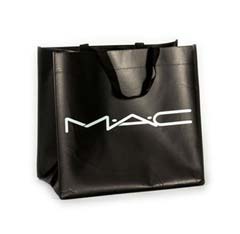
Non woven Polypropylene: Highly reusable. Strong and well accepted as a reusable consumer package. Light weight, thin, packs and ships efficiently. Saves on fuel, transport and storage. Washable. Designed to lat 2-3 years with heavy usage.
Nonwoven PET : One of The best solutions of all the plastics made from recycled soda and water bottles and has the best recycling in place. Strong and highly reusable.
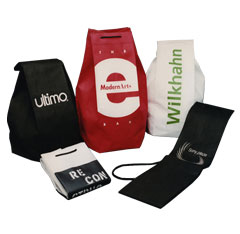
Tyvek : Tyvek is a nonwoven product consisting of spunbond olefin fiber. Itis a brand of flashspun high-density polyethylene fibers. Fibers (plexifilaments) are first spun and then bonded together by heat and pressure. Probably the strongest and therefore most reusable material. Highly breathable. 100% Recyclable. This material lends itself to a variety of applications: shopping bags, medical packaging, envelopes, labels and prints well.
Bamboo: Bamboo is a truly sustainable and renewable resource. Often referred to as a rapid renewable (It's the fastest growing plant on this planet); it grows without pesticides or fertilizers; and it requires very little water to grow. Bamboo generates up to 35% more oxygen than hardwood trees, and absorbs four times as much carbon as hardwood. Bamboo can detoxify wastewater (due to its high nitrogen consumption) and improve soil quality.
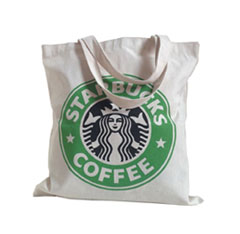
Cotton and natural materials: According to the Council for Textile Recycling, 25,000 tons of new textile fiber is disposed of by North American spinning mills, weavers and fabric manufacturers each year. This material can be recycled. Technology now exists to make new cotton yarn from gin waste, commercial fabric trimmings and mills ends. Recycled cotton is recovered cotton that would be wasted during the spinning, weaving and cutting processes. Up to 40% of cotton grown is wasted between the harvest and the manufacture of garments. In the past, this waste went directly into landfills. Now it is being used in the manufacture of tote bags and other products.
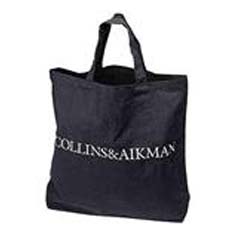
Nylon: characteristics of nylon - Exceptionally strong, Elastic, Abrasion resistant, Lustrous, Easy to wash, Resistant to damage from oil and many chemicals. Can be pre-colored or dyed in wide range of colors. Resilient, Low in moisture absorbency. Smooth, soft, long-lasting. The fiber has outstanding durability and excellent physical properties. Nylon is used both alone and in blends with other fibers, where its chief contributions are strength and abrasion resistance. Nylon washes easily, dries quickly, needs little pressing, and holds its shape well since it neither shrinks nor stretches.
Polyester:
Polyester fabrics are wrinkle resistance, durable and have high color retention. As a synthetic fiber, it offers superior water, wind and environmental resistance compared to plant-derived fibers. The properties of polyester fabrics include: superior strength and resilience; lightweight; hydrophobic (it feels dry or moves moisture effects away from touch); is resistant to dyes, solvents and most chemicals; is stain resistant; resists stretching and shrinking; quick drying; wrinkle, mildew and abrasion resistant; and is easy to launder.
Jute:
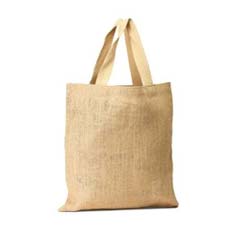
Jute is a natural fiber. Although light in weight, Jute fabric is extremely strong, absorbs CO2 gases and can be planted after its long and useful life to naturally biodegrade. Derived from vegetable fibers, jute is spun into coarse, strong threads and woven into fabric. Jute fiber is 100% bio-degradable and recyclable.