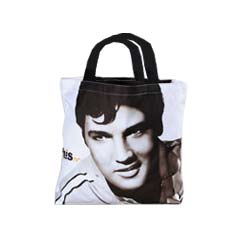
Environmental Green Packaging


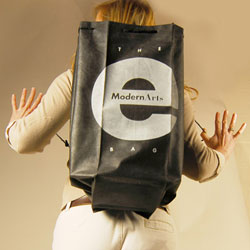
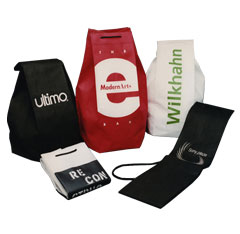
E Bag

"Modern Arts solution to the perfect environmental shopping bag"

Click here to view the E Bag

Choose Your Eco Friendly Bag Style For a Free Quote:
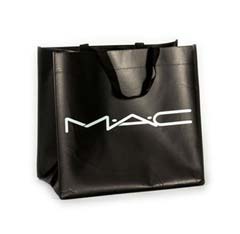
non-woven reusable bag

Non-Woven

reusable wine bags

Fabric Wine Totes

E-Bag, eco-friendly and reusable

E-Bags

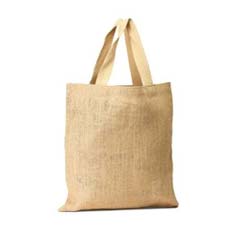
canvas tote bag

Fabric Totes

garment bags

Woven & Non-Woven

eco-bag PET

Square Bottom PET

Natural Kraft bags

Kraft EuroStyle Paper

Kraft Traditional Paper Bag

Kraft Traditional Bag

It is increasingly difficult to “Get Real” when it comes to finding and choosing the best and most correct green solutions for your packaging and shopping bags requirements.

Comparison of base materials: $ value-reusability-recyclability-strength-graphics

There are so many aspects to consider when “going green.”  It is our goal to shed light on the various environmental aspects and impact of packaging with hopes to help you make an informed decision when it comes to your retail, cosmetic or product packaging needs.

In addition to choice of actual products and materials, it is also very important who you select as a manufacturing partner.  We and our manufacturing facilities are committed to employing best practices in the industry and promotion of environmental initiatives to further develop green awareness.

Eco Friendly Apparel Boxes

Our factories environmental initiatives have been well recognized  and acknowledged with various awards for leading management systems, green products certifications, promotion of “Green Harmony” and “zero factory” philosophy, implementation of cleaner production, technological innovation, participation in formation of industrial standards, implementation of carbon management on both corporate and product level and publishing of environmental reports. When working with us, you can be assured that we are your true partners in sustainable green packaging manufacturing.  

We are all familiar with the environmental mantra “Reduce, Reuse, Recycle – the three “R”s as we call them.  We will shed light on each aspect with hopes to help you make more enlightened choices. 

The Three "R" s

There are three steps you can take RIGHT NOW to make sure your choices for retail packaging -- boxes and shopping bags -- help our environment instead of hurt it.

1. Choose REUSABLE bags - this is, without question, the most important thing you as a retailer can do to reduce the burden on our environment.  When a customer  reuses your bag, not only are you saving on actual material costs, but also on transport, fuel, energy and all other costs associated with the manufacture of packaging.  And you get a marketing benefit as well – your name on the bag they carry all over. Your customers will appreciate your commitment to the environment AND they will re-use the bag in which they carry your products home.  Next time they visit your store they'll bring your reusable bag back -- and this reduces your overall cost of packaging..

2. Reduce: Choose POST-consumer materials - let us supply you with bags, boxes and other packaging made from recycled materials such as NON-WOVENs, PET and fabrics.  This is the second-most important thing you can do NOW to help the environment.

3.Recycle Your Bags/Boxes - set up a spot in your store where your customers can return your packaging at the end of its useful life.  Then make the commitment to get the used-up bags and boxes to a recycling facility.

Other important steps to take:

Re-Design Your Packaging -- make sure your bags, boxes and all packaging are efficiently sized and made of renewable materials appropriate for the use and function. Whenever possible, use new stronger materials such as PET Nonwoven, Woven+Non Woven Polypropylene, Tyvec, Bamboo, Recycled Cotton.  

 Do not mix materials - as an example plastic lamination on paper.

 Use Degradable Materials - if your packaging can't be reused by your customers and must be thrown away, make sure it will degrade without harming the environment.  This is not a perfect solution but it helps; ideally, your packaging should be RE-USABLE AND DEGRADABLE.

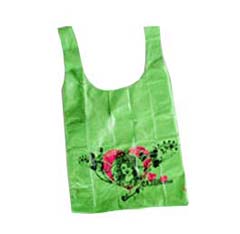
Green Reusable Shopping Bag

Helpful Definitions:

Post-consumer: "Post-consumer" material comes from previously used business or consumer products, such as newspapers, shipping cartons, plastic bottles, glass containers, and aluminum cans.


Post-Industrial or Pre-Consumer: "Post-Industrial" or "Pre-Consumer" material is basically manufacturing waste. For example, an envelope manufacturer might recycle the clippings leftover when envelopes are cut from paper. These clippings could be made into other paper products instead of being thrown away.

Helpful Information:

Recycled paper with maximum post consumer content –

Advantages: good recycling system in place and at the end of the cycle the bags have a better chance of being recycled if added to city /garbage collections” at home or office.

Disadvantages: Recycled paper has a limited reuse because of the strength factors particularly if the base paper is postconsumer recycle which weakens the fibers.

General notes: Paper is probably the least expensive solution. All factors considered this is a practical and good solution.

Virgin or recycled Polyethylene Plastic –

Not a good solution for the following reasons: not really recyclable and often has postconsumer industrial waste. Does not lend itself to sorting and collection for recycling. Although additives will make plastic biodegrade it is wasting the resource.

Non woven or woven Polypropylene:

Advantages: Very good for reusability. Strong and well accepted as a reusable consumer package at the supermarket.

Nonwoven Pet

Advantages: One of The best solutions of all the plastics made from recycled soda and water bottles and has the best recycling in place. Strong and very reusable

Tyvek –

General info: Tyvek is a nonwoven product consisting of spunbond olefin fiber. It is a brand of flashspun high-density polyethylene fibers

Fibers (plexifilaments) are first spun and then bonded together by heat and pressure

Advantages: Probably the strongest and therefore most reusable material.

Highly breathable

100% Recyclable

This material lends itself to a variety of applications: shopping bags, medical packaging, envelopes, labels and prints well. DuPont runs a program in the United States where disposable clothing, coveralls, lab coats, and other Tyvek disposable garments can be recycled, as well as providing a mail-in recycling program for envelopes.

Disadvantages: Presently not recycled or made from recycled material does not biodegrade. Though Tyvek superficially resembles paper (for example, it can be written and printed on), it is plastic, and it cannot be recycled with paper. And despite the fact that some Tyvek products are marked with the #2 resin-code for HDPE, it is not usually collected with plastic bottles as part of municipal curbside recycling programs. Instead, DuPont runs a program in the United States where disposable clothing, coveralls, lab coats, and other Tyvek disposable garments can be recycled, as well as providing a mail-in recycling program for envelopes.

Reusable Shopping Bags

Bamboo

Disadvantages: paper industry have seized upon tropical bamboo as a ‘green’ alternative to virgin wood fiber. But industrial use of tropical bamboo, combined with an escalating global paper demand, threatens what remains of the world’s last intact bamboo forests.

Advantages: Bamboo is a truly sustainable and renewable resource. It's the fastest growing plant on this planet; it grows without pesticides or fertilizers; and it requires very little water to grow. Bamboo generates up to 35% more oxygen than hardwood trees, and absorbs four times as much carbon as hardwood. Bamboo can detoxify wastewater (due to its high nitrogen consumption) and improve soil quality.

Terraskin – (paper made from 75% mineral powder and 25% non-toxic resin)

Advantages: has very similar characteristics to traditional paper with a tensile and tearing strength ratio. Has many eco-friendly characteristics; most importantly does not use trees. Used paper will degrade back into mineral powder when left out in nature Has beautiful printing capabilities and a unique texture and feel Because the paper is fibreless, it does not absorb ink like regular paper and also uses 20-30% less ink than regular paper. TerraSkin is water- resistant and inherently strong and durable.

Cotton and natural materials -

Advantages: According to the Council for Textile Recycling, 25,000 tons of new textile fiber is disposed of by North American spinning mills, weavers and fabric manufacturers each year. Technology now exists to make new cotton yarn from gin waste, commercial fabric trimmings and mills ends. Recycled cotton is recovered cotton that would be wasted during the spinning, weaving and cutting processes. Up to 40% of cotton grown is wasted between the harvest and the manufacture of garments. In the past, this waste went directly into landfills.

Cotton material is eco-friendly – it can be recycled and reused